Bag stitching threads About
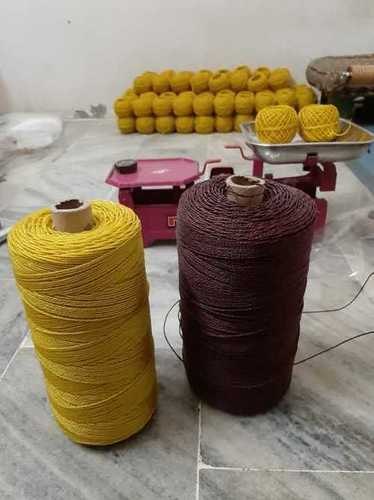
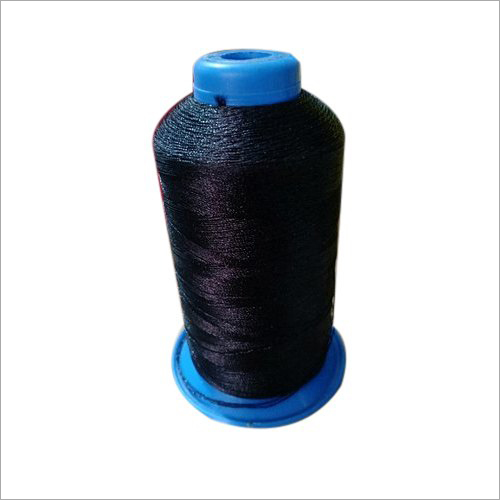
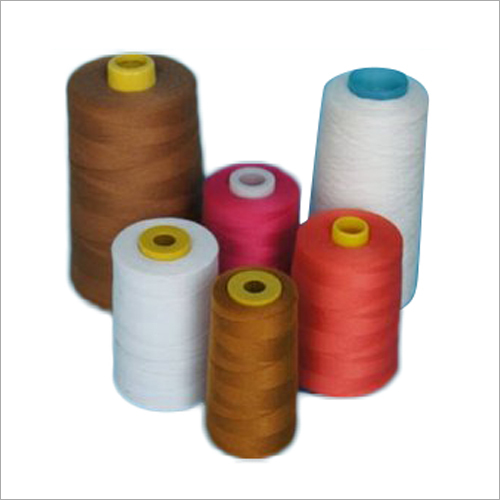
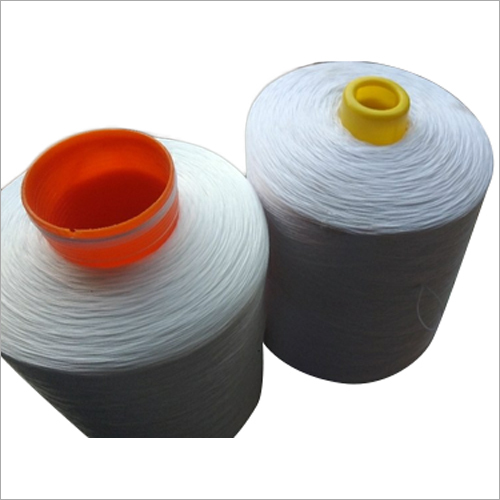
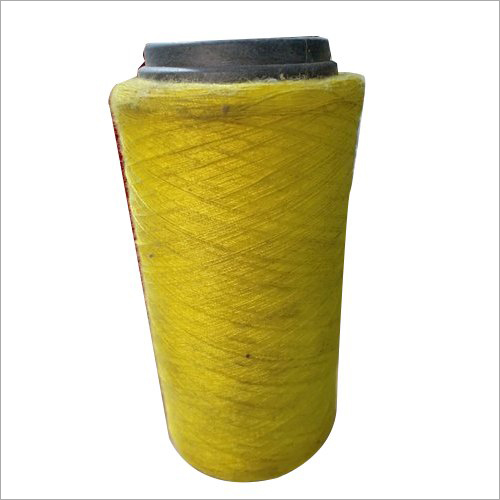
Bag stitching threads are a type of heavy-duty thread that are specifically designed for sewing bags, sacks, and other heavy-duty fabrics. They are usually made of synthetic fibers, such as polyester or nylon, to provide superior strength and durability.Bag stitching threads come in various thicknesses or weights, ranging from lightweight to heavy-duty, depending on the type of fabric and the intended use of the bag. The most common thicknesses used for bag stitching thread are 20/6, 12/4, and 10/3, with the first number indicating the thickness of the thread and the second number representing the number of plies or strands of thread.Bag stitching threads are also available in different colors, but most commonly used colors are white, beige, and black to match the color of the fabric used for the bag.When stitching bags, it is important to use the appropriate thread thickness and to adjust the tension on the sewing machine accordingly. Proper tension ensures that the stitches are even and that the thread does not break or snap during sewing.Overall, bag stitching threads are a reliable and sturdy thread choice for heavy-duty fabrics, providing strength, durability, and resistance to abrasion and wear.
Engineered for Industrial PerformanceOur bag stitching threads provide the reliability and toughness required in industrial packaging. They feature excellent knot-holding capability and smooth finish, meeting the highest standards for strength, durability, and resistance to abrasion, UV, and moisturevital for shipping and storage of heavy-duty goods.
Tailored Solutions for Varied ApplicationsAvailable in spun or twisted styles, our threads can be customized by ply, length, weight, and color as per client specifications. Whether you work in manufacturing, distribution, or retail, our products adaptability ensures seamless compatibility with HDPE, PP, jute, and cotton bags, supporting efficient operations.
Advanced Properties for Superior StitchingWith high breaking strength, low shrinkage, and heat resistance up to 130C, these threads offer tight, secure stitching in any environment. The anti-wick, friction-optimized finish, and strong knot holding enhance efficiency and reduce wastage, maximizing productivity for large-scale operations.
FAQs of Bag stitching threads:
Q: How do I select the correct ply and material for my bag stitching application?
A: The ply and material depend on your bag type and load requirement. For heavier HDPE or jute bags, 3 or 4 ply polyester or polypropylene threads provide higher tensile strength and durability. Cotton threads are suitable for lighter applications. Custom consultation is available for specific needs.
Q: What benefits do high breaking strength and low elongation provide for bag stitching?
A: High breaking strength ensures the thread withstands industrial stress, while low elongation keeps stitches tight, preventing seam loosening. This combination delivers secure closures for heavy-duty packaging and minimizes the risk of seam failures during handling or transport.
Q: When should I consider custom thread lengths or colors for my packaging needs?
A: Customization in length or color is useful if you have specialized machinery, bulk production, or branding requirements. We offer thread spools from 500 m to 5000 m and a variety of color optionsincluding custom shadesto match client packaging or operational workflows.
Q: Where can these bag stitching threads be used, and what packaging options are available?
A: Our threads are compatible with all standard bag stitching machines and are ideal for industrial packaging of HDPE, PP, jute, and cotton bags. Packaging choices include spools, cones, coreless, or tubed to suit various machine feeds and operational preferences.
Q: How should I store bag stitching threads to maximize their lifespan?
A: To maintain strength and performance, store threads in a cool, dry place away from direct sunlight and moisture. Proper storage prevents degradation of tensile and knot-holding properties, ensuring consistent results during sewing.
Q: What is the manufacturing process for your threads, and how does it ensure quality?
A: Our threads are machine-made using spun yarn or multifilament techniques, employing S or Z twist directions for optimal strength. Each batch undergoes rigorous testing for abrasion, UV, and heat resistance, guaranteeing compliance with industrial standards before distribution or export.
Q: What are the key advantages of using anti-wick, friction-optimized threads for bag stitching?
A: The anti-wick finish prevents moisture absorption, reducing the risk of weakened seams, while friction optimization ensures smooth passage through stitching machines, reducing thread breaks and operational downtime for high-efficiency packaging environments.




 Send Inquiry
 Get Latest Price

